

Ceremony /ˈserəˌmōnē/ noun
Origin: From Latin caerimonia — care, reverence, ritual observance;
Ceremony
Because some moments deserve to be entered with care, not improvisation.
Why We Use the Word “Ceremony”


Words matter. They shape expectation, tone, and how an experience is held—internally and relationally. We use the word ceremony intentionally, while also recognizing that not everyone relates to it in the same way.
For us, ceremony simply means that something is being entered with care, preparation, and presence. It acknowledges that there is a beginning, a middle, and an ending—that attention is being paid to the container as well as the moment itself. In this sense, ceremony is not mystical or theatrical. It is practical and human.
Many important moments in life are ceremonial, whether or not we call them that: a birthday, a marriage, a funeral, a graduation, a farewell. These moments involve intention, planning, facilitation, and a shared understanding that this matters. Psychedelic work, when held responsibly, carries a similar weight. Something meaningful is being marked, entered, or crossed.
At the same time, we recognize that the word ceremony can feel uncomfortable or loaded for some people. Others may prefer different language—session, journey, experience, or something else entirely. We’re not attached to a label. What matters is not the word, but the care with which the moment is held.
Using the word ceremony helps signal that this is not casual or improvised work. It reflects that preparation has taken place, that facilitation is present, and that the moment itself is being treated with respect. If another word feels more fitting for you, that matters too. Language should support safety and clarity, not impose meaning.
Ultimately, ceremony is simply a way of naming that something is being approached with intention—rather than left to chance.
Even in the same room, no two journeys unfold the same way.
Shared Space, Distinct Experience
Ceremony often takes place in shared space. Even when individuals are supported separately, they may be aware of others nearby—through sound, movement, or presence. This can be grounding for some, and distracting or activating for others. What matters is not whether space is shared, but how difference is understood within it.
No two people experience a ceremony in the same way. One person may move through intense emotion while another rests in stillness. One may speak, cry, or move; another may remain quiet or inward. These differences are not indicators of depth, success, or resistance. They are expressions of how each nervous system, psyche, and history meet the moment.
Preparation helps set expectations around this. It clarifies that there is no correct way to look, sound, or feel during a ceremony—and that comparison often pulls attention away from one’s own process. When expectations are named ahead of time, shared space can feel supportive rather than evaluative.
During ceremony, our role is not to standardize experience, but to protect its uniqueness. We pay attention to how proximity, sound, and movement are affecting each person, and adjust the container as needed. Shared space does not mean shared process. It simply means that multiple distinct experiences are being held at once.
When difference is respected, the container remains stable. Each person is free to engage their own experience without needing to mirror, match, or make sense of anyone else’s.
What is clarified beforehand determines how the moment can be held.
How Preparation Shapes Ceremony
Ceremony does not begin in a vacuum. What was explored, named, and clarified during preparation directly informs how the ceremony is held. The choices made beforehand—around safety, pacing, relational dynamics, sensory preferences, and coping patterns—become the foundation for what unfolds in the room.
Some people arrive wanting deep preparation and structure. Others prefer minimal conceptual framing and trust the experience to speak for itself. Neither approach is right or wrong. What matters is that the ceremony reflects the person who is entering it, rather than asking them to conform to a predetermined model.
This is why we do not assume a single way of working. The ceremony is shaped by what has already been learned about you.
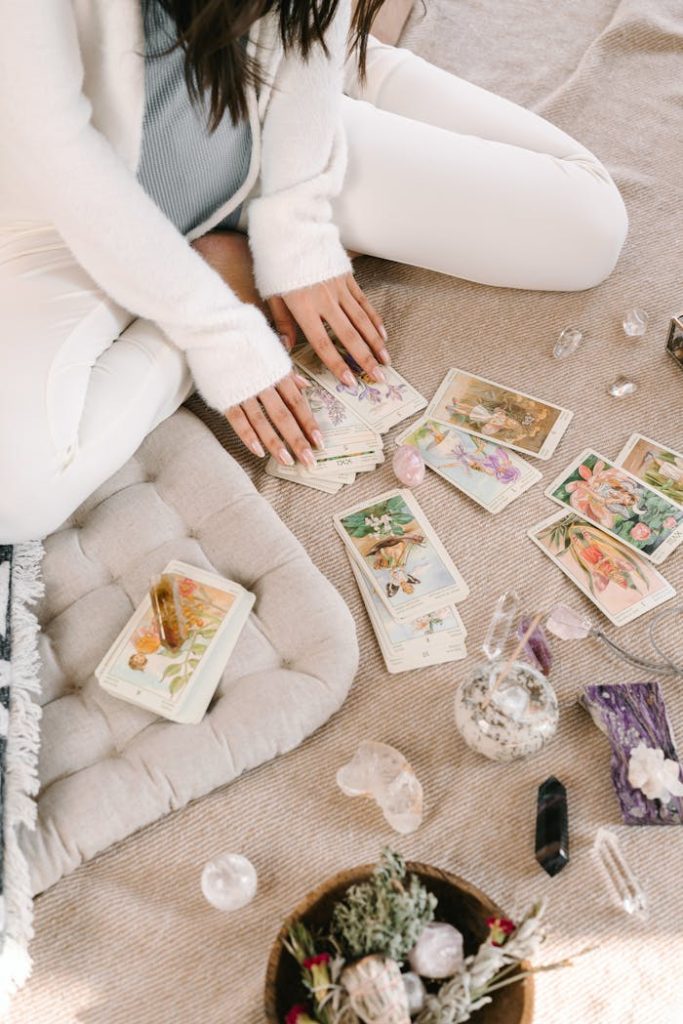
Support can be constant, minimal, or absent — depending on what helps you stay oriented.
Styles of Guidance

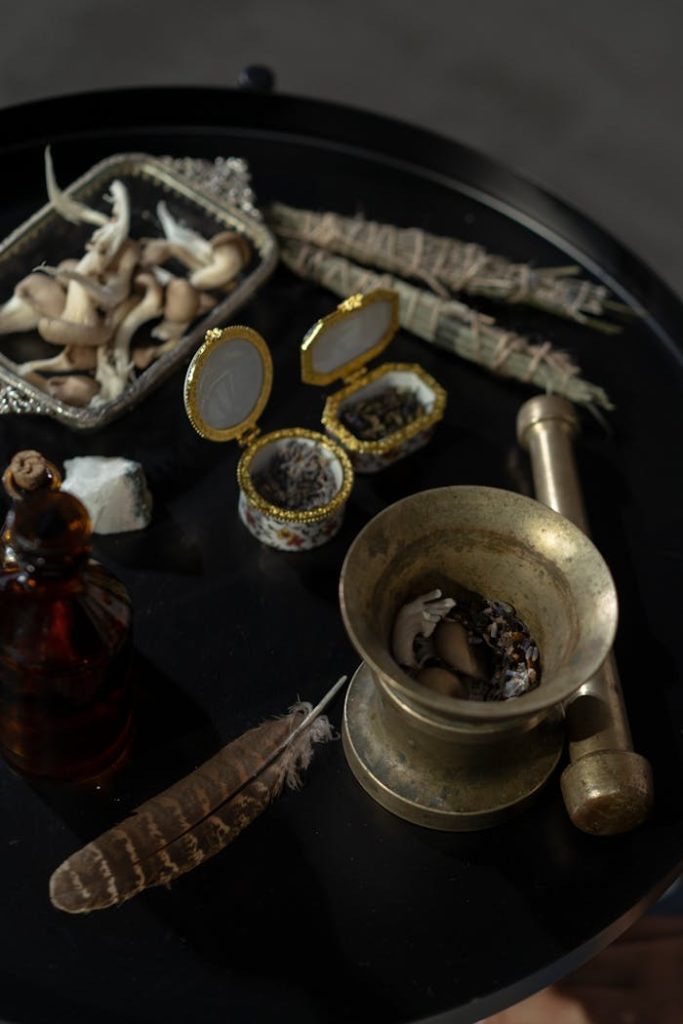
There is no single “correct” amount of guidance during ceremony.
Some people benefit from active guidance throughout—verbal support, grounding reminders, or gentle orientation when intensity rises. Others prefer guidance only at specific moments: at the beginning to establish safety, in the middle if they become disoriented, or at the end to help re-enter ordinary awareness. Some prefer very little guidance at all, finding that silence allows the experience to unfold more naturally.
Preparation helps determine what style of guidance is most supportive for you. These decisions are not rigid rules, but shared understandings—so that when a difficult or vulnerable moment arises, the response is aligned rather than improvised.
What soothes one nervous system can overwhelm another.
Boundaries, Touch, and Consent
The way a body experiences support varies widely.
For some people, physical touch can be deeply regulating—helping them settle, feel held, or return to the present moment. For others, especially those with histories of trauma or boundary violation, touch can intensify distress rather than ease it. Neither response is unusual.
This is why expectations around touch, proximity, eye contact, and verbal intervention are discussed in advance. Consent is not a formality; it is an ongoing orientation. Knowing ahead of time what is welcome—and what is not—allows the ceremony to remain supportive even when things become challenging.
The senses speak to the body before the mind can respond.
Environment, Sensory Choices, and Structure
Some ceremonies are held with music throughout. Others include periods of silence. Some people prefer blindfolds to minimize external stimulation; others need visual orientation to feel grounded. Lighting, sound, pacing, and transitions are not aesthetic decisions—they are regulatory ones.
What is soothing or expansive for one nervous system can be overwhelming for another. Preparation allows these choices to be made intentionally rather than by default.
Different presences offer different kinds of safety.
Our Roles in Ceremony
Josette and I bring different energies, temperaments, and ways of holding space. In some ceremonies, both of us are present the entire time. In others, one of us may be present at specific moments—or not at all. Sometimes we alternate. Sometimes one person’s presence feels stabilizing, while the other’s would be activating.
These decisions are not personal preferences. They are made in service of what best supports the person in the room.
Ceremony is not about who is leading. It is about who is needed—and when.
Intensity is not the problem — how it is met matters.
When Things Become Difficult
Challenging moments are not failures of ceremony. They are part of the territory. What matters is how they are met.
Because expectations, boundaries, and support styles have been discussed in advance, difficult moments do not require guesswork. Responses can be paced, respectful, and aligned with what the person has already named as supportive. This is how intensity becomes workable rather than overwhelming.
Ceremony, at its best, is not dramatic. It is responsive. It is relational. And it is shaped—moment by moment—by what is actually happening, not by what was supposed to happen
What is soothing or expansive for one nervous system can be overwhelming for another. Preparation allows these choices to be made intentionally rather than by default.
Collaboration, discernment, and shared responsibility
Discernment Over Access
Ready to Transform?
About Us
Transformative healing through psychedelic experiences and integration guidance.
Working hours
Lorem Ipsum
Lorem Ipsum
Contact us
202-555-0188
contact@example.com
2360 Hood Avenue, San Diego, CA, 92123